Loose Leaf vs Tea Bags Best Choices for 2026
As the tea culture continues to evolve, gourmet lovers are exploring the best options for brewing their favorite beverages. In 2026, the debate between loose leaf and tea bags remains prominent, with each option offering unique benefits and experiences. This article delves into the nuances of both methods, helping tea enthusiasts make informed choices that elevate their brewing rituals.
Understanding Loose Leaf Tea
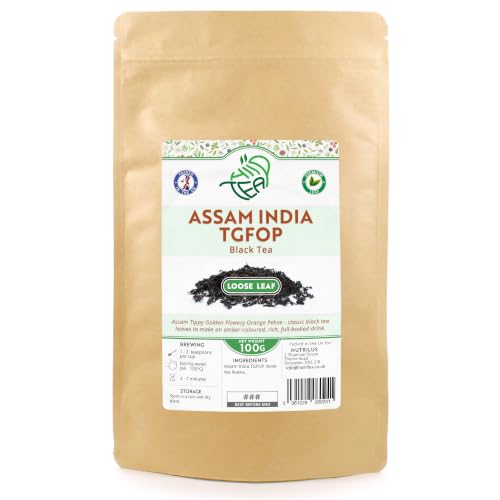
Loose leaf tea has long been celebrated for its superior quality and flavor. Unlike tea bags, which often contain broken leaves or dust, loose leaf tea features whole leaves that provide a richer aroma and more complex taste. In 2026, many gourmet tea brands are focusing on sourcing high-quality loose leaf varieties, ensuring that consumers have access to exceptional flavors.
When brewing loose leaf tea, the infusion process allows the leaves to expand fully, releasing essential oils and flavors that create a unique experience. For example, a premium Darjeeling loose leaf can showcase floral notes and a delicate body, making it ideal for afternoon tea. In contrast, a bagged version of the same tea may lack depth, leading to a less satisfying cup.
Benefits of Loose Leaf Tea
- Enhanced flavor profiles due to whole leaves.
- Greater variety of options available.
- Environmentally friendly as it often comes in minimal packaging.
- Customizable brewing experience.
Gourmet lovers in 2026 are increasingly drawn to the customizable aspects of loose leaf tea. For instance, adjusting the amount of tea leaves or brewing time allows individuals to tailor their cup according to personal preferences. Additionally, loose leaf tea often comes with a story, connecting consumers to the origin of the tea and the artisans who craft it.
Exploring Tea Bags
While loose leaf tea is often seen as the premium choice, tea bags have evolved significantly in recent years. In 2026, many companies are producing high-quality tea bags that contain whole leaves rather than the traditional dust. This innovation has led to a resurgence in the popularity of tea bags among gourmet lovers who seek convenience without sacrificing quality.
People Also Look For:
- VAHDAM, FRESH HARVEST- Imperial Darjeeling Tea Loose Leaf (50 Cups, 100g/3.53oz) LIMITED EDITION MUSCATEL FLAVOUR - High Grown In ...
- The Tea Masters Loose Leaf Tea - Breakfast Tea - Premium (1x1kg)
- Darjeeling Highlands Second Flush Black Loose Leaf Tea (100g)
- M&S Luxury Gold Loose Leaf Tea, Full Bodied, Finest Blend, Strength 4, Fairtrade, 250g (2 Pack)
- Organic Assam (Chardwar Estate) Premium Loose Leaf Black Tea - Chiswick Tea Co - 250g
Tea bags offer a quick and easy brewing method, ideal for those with busy lifestyles. For example, a gourmet breakfast blend in a tea bag can be steeped in moments, allowing enthusiasts to enjoy a flavorful cup on the go. This convenience does not mean compromising on taste, as many brands have focused on using superior ingredients and innovative designs for their bags.
Advantages of Tea Bags
- Convenience and ease of use.
- Less mess compared to loose leaf.
- Portability for travel or work.
- Innovative bag designs that enhance flavor extraction.
In 2026, tea bags are not just about convenience; they also reflect a commitment to quality. For example, some brands have introduced biodegradable tea bags that appeal to environmentally conscious consumers. This shift has led to a new generation of tea drinkers who appreciate the balance between convenience and sustainability.
Comparing Flavor and Quality
Flavor and quality are often the primary considerations when comparing loose leaf tea and tea bags. Gourmet lovers in 2026 are likely to have strong preferences based on their experiences. Loose leaf tea typically provides a more nuanced flavor profile, but advancements in tea bag technology have led to options that can rival traditional loose leaf in taste.
For instance, a side-by-side tasting of a high-quality Earl Grey loose leaf tea versus a premium tea bag version may reveal subtle differences. The loose leaf may deliver a more vibrant bergamot flavor, while the bagged version may still provide a satisfying cup, thanks to whole leaf contents and innovative bag designs.
Choosing the Right Option
When deciding between loose leaf and tea bags in 2026, it is essential to consider personal preferences and lifestyle. For those who cherish the ritual of brewing and have the time to dedicate to their tea experience, loose leaf may be the ideal choice. Conversely, individuals with a fast-paced lifestyle may find tea bags more suitable without compromising quality.
Additionally, exploring local tea shops or gourmet markets can provide opportunities to sample both options. Many tea enthusiasts recommend trying a variety of brands and blends to discover personal favorites. This exploration can lead to exciting flavor discoveries, whether opting for the convenience of tea bags or the artistry of loose leaf blends.
Future Trends in Tea Consumption
As we move through 2026, trends in tea consumption are shifting toward sustainability and wellness. Gourmet lovers are increasingly seeking out brands that prioritize ethical sourcing and environmentally friendly practices. Both loose leaf and tea bag producers are adapting to these changes, offering products that align with consumer values.
Moreover, the rise of health-conscious tea drinkers is influencing product development. Herbal blends and functional teas that promote wellness are gaining traction in both loose leaf and bagged formats. For instance, a ginger and turmeric loose leaf blend can provide anti-inflammatory benefits, while a tea bag version might offer similar health benefits in a convenient format.
In conclusion, the choice between loose leaf tea and tea bags in 2026 will depend on individual preferences, lifestyle, and the growing trends of quality and sustainability. Whether one opts for the intricate flavors of loose leaf or the convenience of tea bags, the world of gourmet tea continues to expand, offering something for every tea lover. As consumers explore and engage with their tea choices, they contribute to a dynamic and evolving beverage culture that celebrates the art of tea drinking.